Tag Archives: holiday

Paris – Which Tickets to Buy Beforehand

When you’ve been hearing praises and stories about somewhere your whole life, actually visiting that said spot seems not only unreal, but also un-doable. The pervasive feeling that there is so much to see, do and experience takes over your entire mind, until you almost lose any hope of actually cramming in all the exhibits, monuments and places into the time allotted for the trip.

Since Paris is one of those beautiful cities which is also crammed full of tourists queuing up to view its most famous attractions (of which, admittedly, I was going to be one as well), I decided to make my life easier and purchase some of the tickets to venues I knew I was definitely going to visit, beforehand. This is always advisable, whenever one goes to such a famous location, not only to minimize waiting times, but also to maximize the number of things you can do in one day.
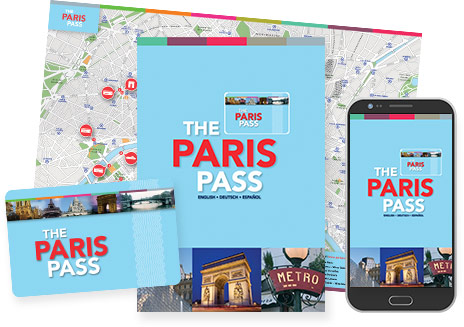
Image Source: parispass.com

Although personally I purchased a number of individual tickets for Paris because it was convenient for me to do so, one can also buy one of the many city cards available, such as the Paris Pass, which is a sightseeing, all-in-one, comprehensive package bought once and thereafter providing one with entry to a number of venues.

When visiting a major city like Paris, it is also important to think about transportation. Walking is all well and good for small towns and cities, but when the city is as densely populated Paris, containing approximately two million people, one generally needs some other means of getting around quickly.

I opted to use the Paris metro, which is a huge and efficient network of underground trains. Transport travel cards for the underground can be purchased online, providing daily unlimited use of the metro and offering a wide price range depending on the number of days one chooses the card to be valid for and the zones in Paris to be visited (there are five zones).

THE Paris landmark per excellence is undoubtedly – the Eiffel Tower. Taking its name from its engineer, Gustave Eiffel, this wrought-iron lattice tower was constructed in 1889, is 324 meters tall and held the title of tallest man-made structure in the world for 41 years, until the construction of the Chrysler Building in New York.

Waiting at the security check

When it comes to world-known landmarks such as the Eiffel Tower, it is not only important to purchase the entrance ticket beforehand, but to actually buy a skip-the-line entry ticket online, since there are always huge queues waiting to get in, no matter during which time of the year you visit. Although I purchased the skip-the-line ticket myself, there was STILL a queue of people waiting to be checked by security before entering, so I used my waiting time to take some selfies with the Eiffel Tower as a background. Because, seriously, how could one resist? You can find skip-the-line packages on websites such as Viator and GetyourGuide.

The tower itself has three levels accessible to visitors. Be warned, not all entrance tickets cover all three, so be careful which kind of ticket you buy. One climbs up the tower gradually using an elevator (for which, obviously, there is usually another long queue). There are side-stairs as well, but I would not suggest using those unless you have the stamina of a professional athlete and lots of time to waste.

Atop the tower!

The first and lowest level is the largest. It holds a cafeteria, bathrooms and a souvenir shop. The main attraction, however, is the panorama, which one can admire from a large observation deck running all around.

The second level is the second largest, has even more breathtaking views than the first (being higher up), and holds a fine-dining restaurant. The third level, the summit, brings the viewer up to 276 meters above the ground. Seeing the sprawling city of Paris from this altitude makes one really appreciate its largeness, not to mention its beauty.
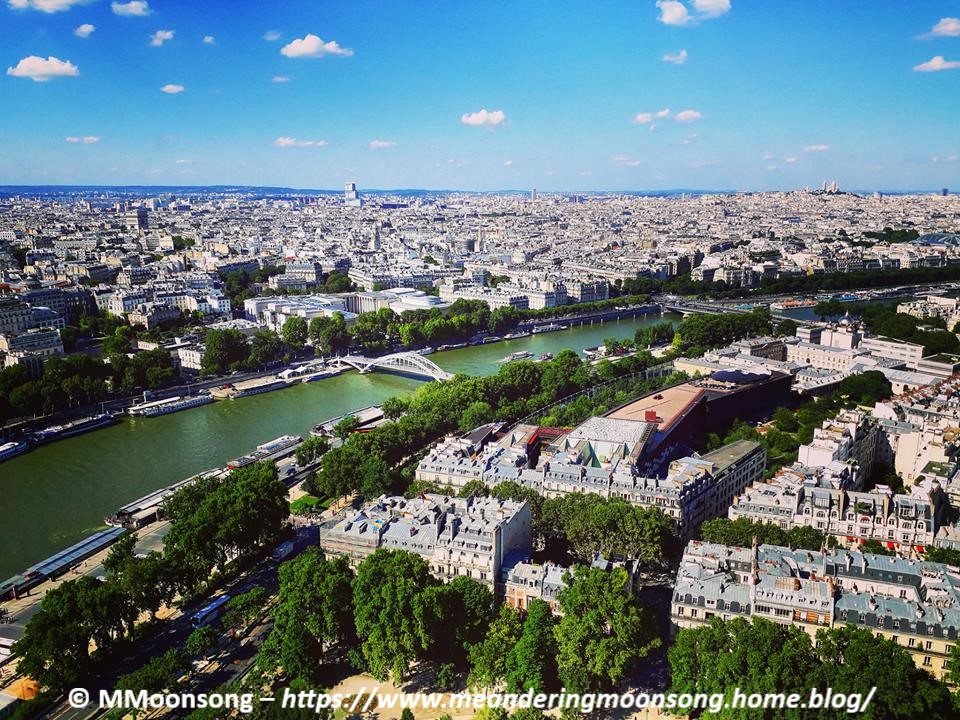
The breathtaking view from the Eiffel Tower

By the way, did I mention that the elevator taking one up the tower is made of glass and is situated on the outside of the monument? One can see the whole of Paris dwindling further and further away as one ascends. Definitely not for anyone suffering from vertigo!

Another Paris landmark as well known as the Eiffel Tower, is the Louvre museum.

Chock-full with paintings, sculptures, frescoes, mosaics and any type of artwork imaginable, the Louvre Museum was originally built as a fortress and palace and houses the world’s largest art museum. I spent eight hours walking with my head craned upwards and my camera clicking madly, and at the end of the day, exhausted and fulfilled, I had to admit that I had hardly seen half of what the place had to offer.

In front of Leonardo da Vinci’s Mona Lisa

I did, however, see the most popular attractions – Leonardo da Vinci’s Mona Lisa, the haunting eight-foot-tall headless sculpture known as The Winged Victory of Samothrace and the Venus de Milo. Other countless works of art, including those found within the Islamic Arts section, not to mention the ancient Greek and Egyptian sections, were also truly amazing. By the end of my visit, the one thing I had concluded was simply that I had to come back and spend more time here to appreciate such treasures further.

The courtyard of the Louvre Museum

Again, it is important to buy skip-the-line tickets for this world-famous attraction as well, since as in the case of the Eiffel Tower, the queues waiting at the entrance are imaginable. I’m gonna mention Viator and GetyourGuide once more, as they are two very trusted sites where one can purchase these tickets. Personally tried and tested!

img_20180622_192911_436

If you are unsure whether the website you are buying your tickets from is safe or to be trusted, make sure to visit Trustpilot, where you will find reviews and comments from other travelers regarding their experiences. It is very important to make sure service providers are legitimate by checking out the customer reviews. Be wary of scams and fake companies!

You could even try looking up the company’s address on google maps to see if it actually exists in that location. If in doubt, don’t buy! Become a member of one or more Facebook travelling groups and ASK whether anyone has any experience with the particular company or website. These  groups usually have thousands of members, so you will get many good suggestions for sure.
Questions to ask before going to Venice

A destination often used as a background to incredible and fabulous stories, romances and movies, Venice is known both for being a mecca for lovers the world over, as well as for hosting that most exquisite and decadent of events – the Venetian Carnival.

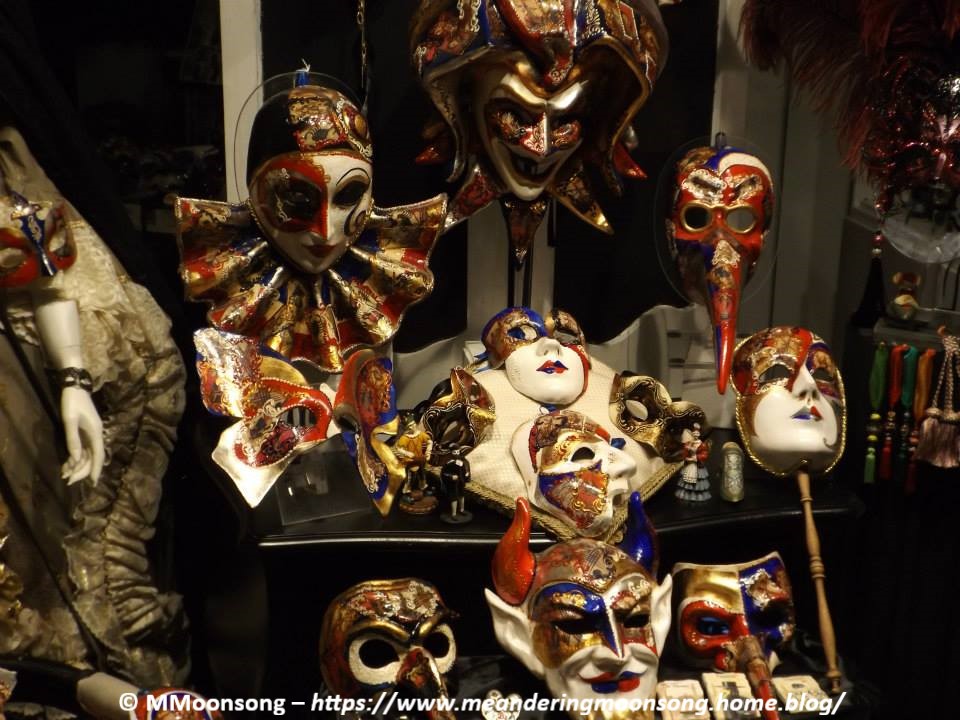
Window shopping in Venice

We have all heard how historically rich, opulent, pricey, and smelly Venice is, but is this the truth or is it just ‘one of those things’ which everyone seems to know, even though they have never actually visited the place?

Well – having visited Venice twice myself, here is my tuppence’s worth:

Is it true that you can only get around Venice on foot?

No. There are bus ferries, with specific routes and times, which can take you anywhere. There are also water taxis, and of course, gondolas (I suggest you reserve these for special occasions only as they do not come cheap). Cars have no access to Venice, except for coaches and such, which only stop at the Piazzale Roma. Bikes, motorini, motocycles, etc, are not allowed in Venice proper either, although you can use them on the Venice lido.

Waiting for the water ferry

Is Venice really so expensive?

No. Well… not if you know how to budget and choose the restaurants you eat in carefully. Don’t pick the first Osteria you come across just because it looks pretty. Ignore all the ushers, gondolieri, and hawkers selling unnecessary wares at every corner and canal. Look instead for some modest friendly pizzeria (yes, these are numerous), or choose instead a ‘Tourist Menu’, which provides a starter, main course, and drink/coffee at a reasonable price.

Is it possible to find an average-priced accommodation which doesn’t reduce one to bankruptcy?

Yes. You can actually find quite nice and relatively cheap hotels within Venice itself (the main island). I suggest using websites like www.booking.com, and www.tripadvisor.com.

Is there a way to save when buying entrance tickets for the various museums, palazzi and other historical attractions?

Like most European historical cities, Venice has its own ‘Venice City Pass’ which is basically a way one can visit most cultural attractions without having to buy the ticket each time. Instead, you can buy the Venetian City Pass at the beginning of your trip, pay once, and have access to numerous unique places. You can choose to buy the 24 hour, 48 hour, or 72 hour city pass with the option of adding transportation costs apart from just access to the listed attractions. I suggest buying the pass online beforehand. Although there are a number of City Passes for Venice (which can be ordered from a number of different websites or even bought on site), I personally recommend purchasing the Venezia Unica City Pass, which is
an all-in-one pass to use for public transportation, admission to tourist attractions and cultural events in the city, and many other useful services (one can for example, add the use of public facilities).

Also, as happens with most famous exhibits, the Palazzo del Doge is always full of people waiting to buy tickets and/or gain entry. It would be a good idea to purchase skip-the-line tickets online beforehand, in order not to waste time waiting in front of the main entrance. Such tickets can be easily found on websites such as GetyourGuide, which is trustworthy and efficient (obviously, I tried and tested this personally else I would not be recommending it).

Entering a Venetian Palazzo

Is it true that Venice is slowly being submerged by the enroaching sea?

Yes. Unfortunately, day by day, the Adriatic Sea keeps rising, Venetian buildings keep on sinking, and the aroma of stagnant water and humid ponti cannot be denied. Take a look at this informative article on livescience.com if you want to know more.

Shopping – are there any pitfalls to be wary of?

Just a tip – don’t buy anything (and I mean nothing, not even a cappuccino) from Piazza San Marco. The prices are exorbitant. Also, don’t gleefully purchase the first papier mache Venetian mask you see. Look around and window shop a bit before deciding which souvenir to take back home with you, no matter how inviting the shopkeeper is. Believe me, Venetians are taught how to be charming from their cradles, so try to keep a level head if you don’t want to spend all of your daily allowance at one go!

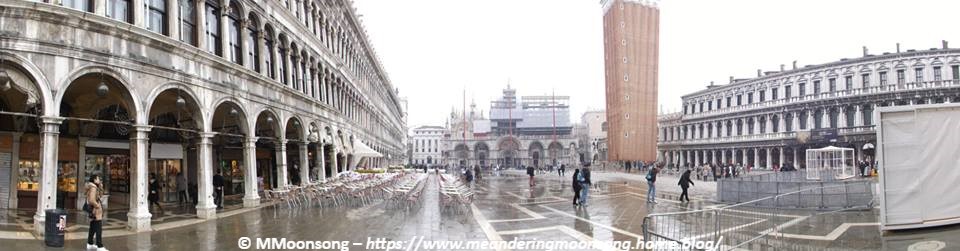
Piazza San Marco

So, is it really worth it?

DEFINITELY!! Every corner, every building, every canale, has its own particular history, which is even more enhanced and given flavor with the passage of time. Venice is a collage of masquerades and murders, wars and merchant princes, love stories and brutal legends. This Italian port, which was one of the most famous, popular and profligate in its time, is a rich counterpane reflecting all the tragedies and victories prevalent in the struggle to create a link between the Mediterranean and the Orient.

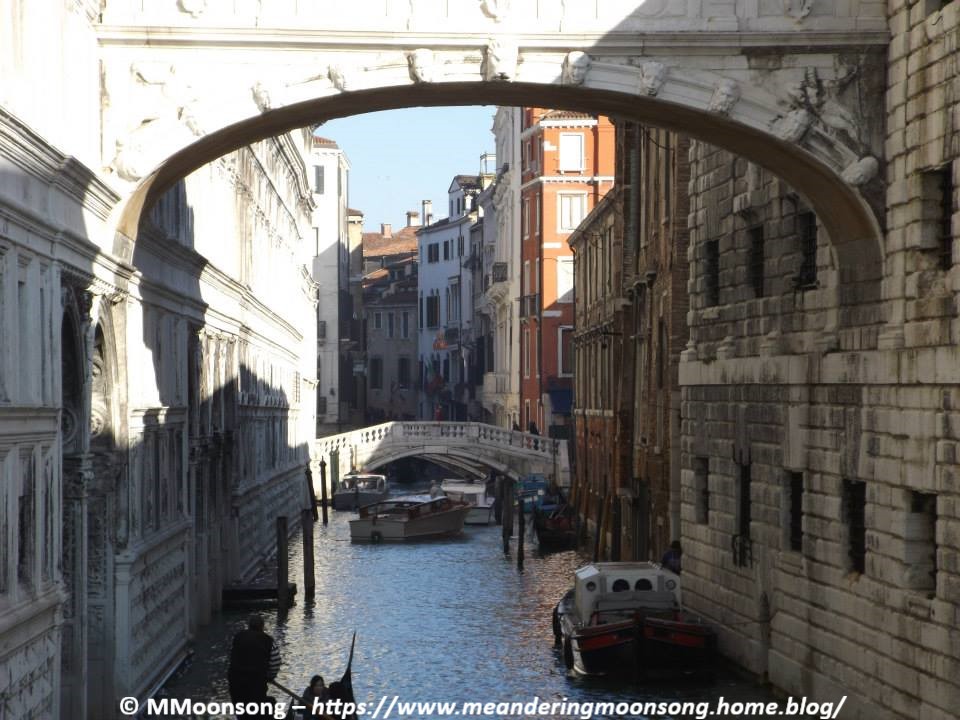
The Bridge of Sighs – where those condemned to die looked at the sun for the last time before being executed

So, reach out and embrace that legend, mostly because, unfortunately, it is certainly not as everlasting as we might believe.

The Heavenly Meteora Monasteries

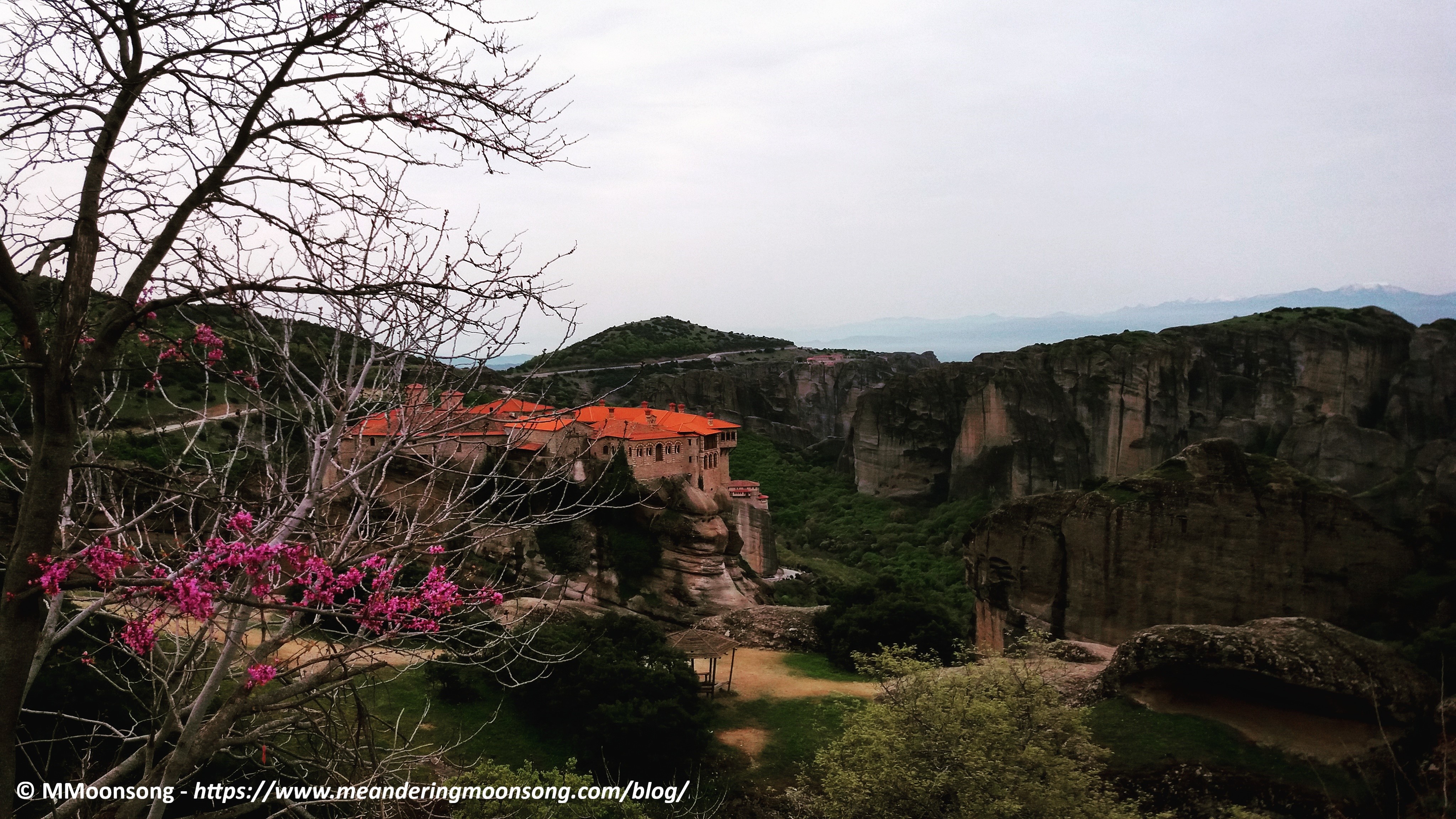
Beautiful sunny Greece is mostly known for its picturesque islands and classical Hellene ruins, however there is at least one other wonder which no traveler should miss. I am referring to the group of six monasteries known as ‘Meteora’, which literally means ‘suspended in the air’, and which are situated at the edge of the plain of Thessaly, in central Greece.

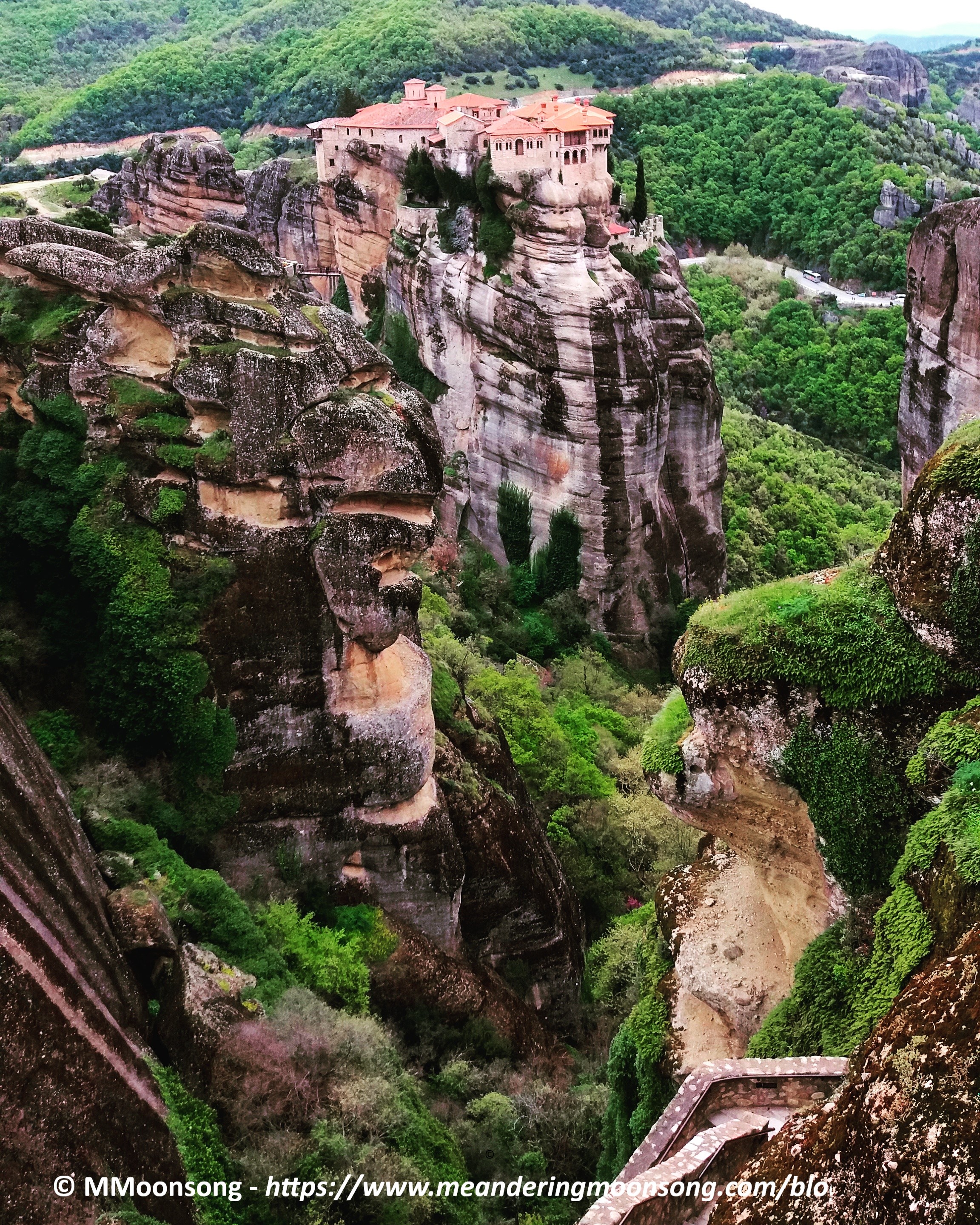
One of the Meteora Monasteries

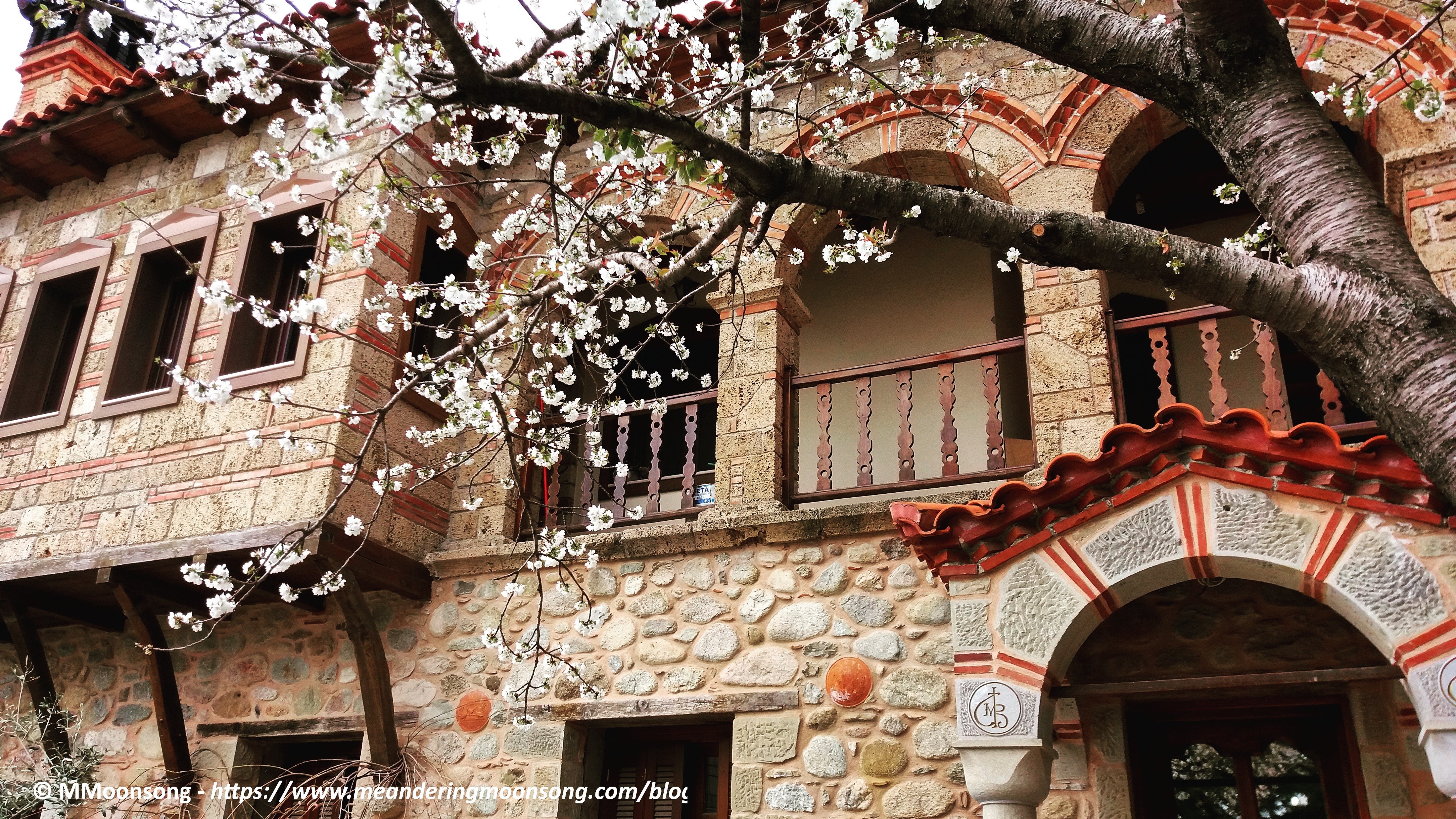
Defined by UNESCO as a unique phenomenon of cultural heritage, these Eastern Orthodox havens of ancient cultural and religious artifacts and icons, perch majestically on enormous columns of rock rising precipitously from the ground. This rare geological peculiarity is truly one of a kind. As we navigated the winding roads on our rented car, I couldn’t help but wonder at the original monks who, fleeing from the encroaching Ottoman raiders at the end of the 14th century, found refuge in the isolated caves, and then later further up the rocky slopes of Meteora. Originally there were 24 monasteries atop these impossibly imposing natural formations, however unfortunately only six remain active today, as the others all fell into ruin, most notably after the depredations of the second world war, when many were bombed and their art treasures stolen. The six remaining monasteries – testaments to the piety and art of the Orthodox culture, are all situated near each other, so though I recommend renting a car or purchasing a coach ticket to arrive to Meteora itself, one can still continue walking on foot from one monastery to the other. Of course, if you plan on visiting, I would also suggest dedicating at least one full day to visit all six monasteries. There is so much to see!

We rounded a corner and suddenly there it was – a sight I will never forget. I could hardly assimilate how far up we were, not to mention take in the amazing panorama of abrupt vertical rock pinnacles topped with exquisite red-roofed buildings, without wondering how on earth anyone could have built them up there. Especially knowing that the oldest and largest monastery, that of Great Meteoron, had been erected in the 14th century, when construction materials and aides were very limited. We stopped the car to take some photos and realized that we were not the only ones there. Yes, Meteora is underrated, yet there are still many people visiting all year round – not just pilgrims and history buffs, but also rock climbers, trekkers, and simple tourists. Beware though – Meteora is not a site for those who don’t like walking, in fact one must brave a myriad of stone steps cut in the rocks themselves, sheer bridges and wooden platforms, to access the fairytale buildings. Definitely not for the faint-hearted.

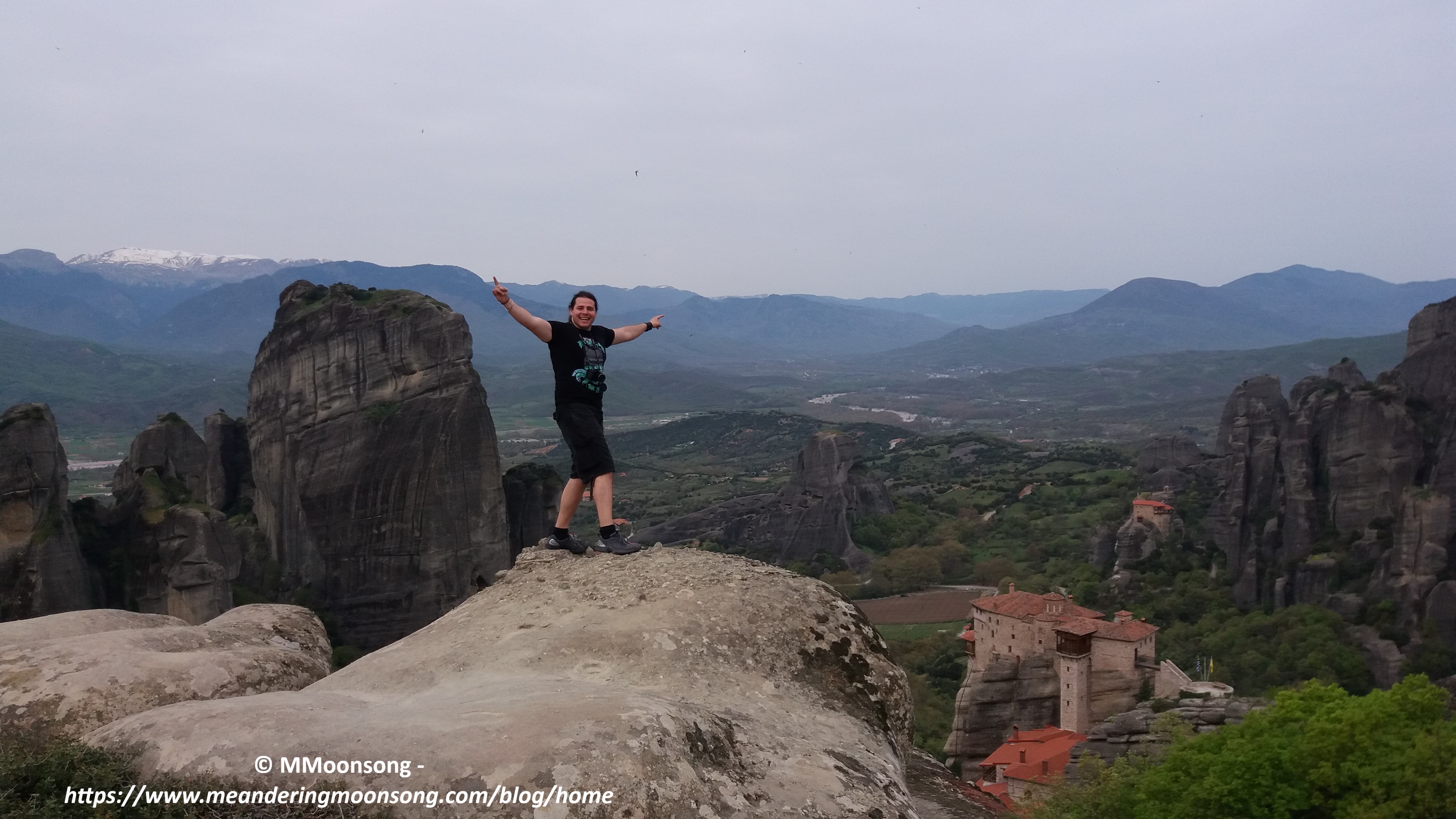
My silly boyfriend trying to give me a heart-attack by prancing on the edge

Unfortunately we did not have time to visit all six monasteries, seeing only four of them. The first we went to, the Monastery of Great Meteoron, is surely my favorite one of the lot. It is situated on top of the highest of the inhabited rock pinnacles, reaching more than 613 metres above sea level, and was founded by a monk who later became a Saint of the Greek Orthodox Church. Facing the rough vertiginous steps hewn into the rocks, which one must climb to reach the monastery, I admit, my fear of heights started to make itself known. Then, I was told that I was lucky to be using steps at all, since before the 1920s, the monks used to access the buildings using large baskets, pulleys and ropes! It must surely have taken years to carry construction material up the high rock formations using nothing but nets, cordage and folding ladders. Not to mention great fortitude and strength of will.

The Monastery of Great Meteoron!
I just fell in love with this beautiful courtyard

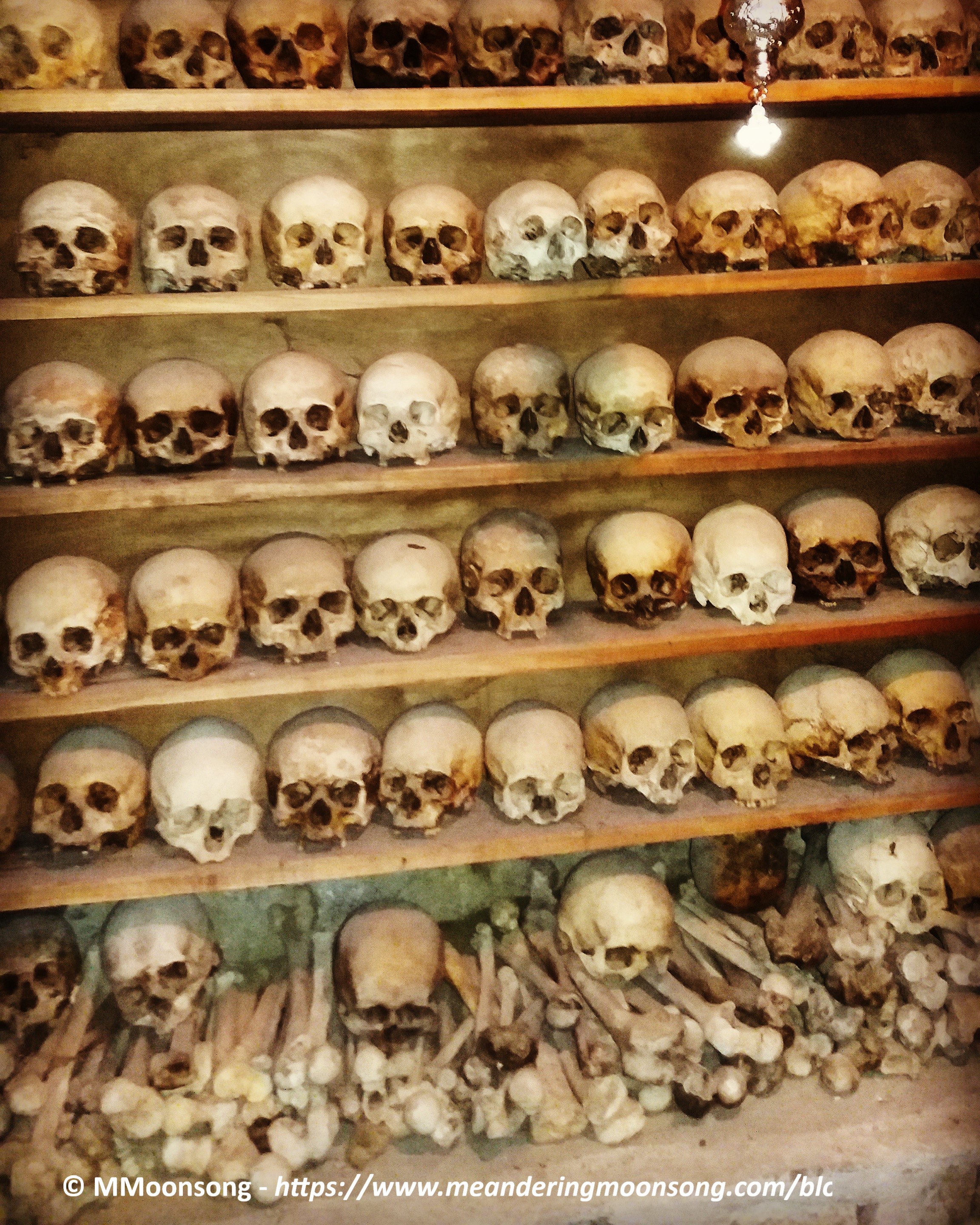
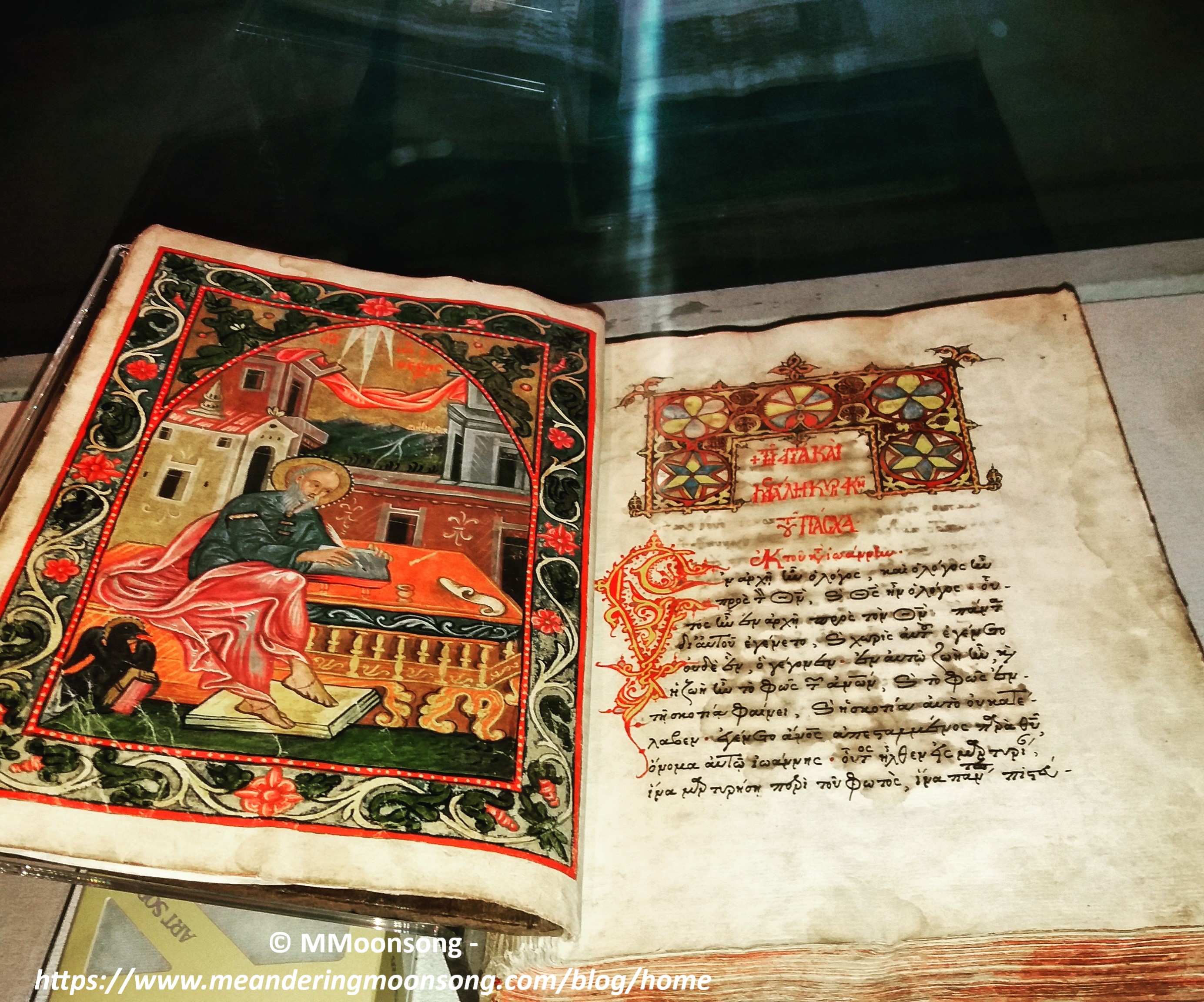
As I paid the meager €3 entrance fee, I was given a long colorful skirt to wear over my shorts. Skanty attire is in fact not permitted in the monasteries. However, I soon forgot my momentary discomfort over the ugly garment as soon as I started exploring. The medieval kitchen, the gold Byzantine paintings in the main church, the frescoes in the smaller chapels, and the ancient illuminated manuscripts in the museum, were all wonders to behold. Not to mention the ossuary in the sacristy – literally a room full of skulls belonging to the monks who had lived there! After a delightful hour clambering throughout the building, we found ourselves in a large courtyard. The pink-leaved trees framed a really magnificent landscape, as not just the other monasteries on their pinnacles, but also the tiny-looking town of Kalampaka below, the Pindus Mountains, and the Pineios River, were all spread before us. A litter of kittens frolicked amidst the serene splendor striking a cute note amidst the grandiose spectacle.

The Ossuary

A small suggestion – don’t buy any souvenirs from the pricey vending stalls outside. Each monastery has its own small shop where one can purchase the monks’ own products! I bought a small hand-painted censer and some sweet incense from Great Meteoron, and I really prize it knowing the dedication and effort it took to make it, especially since each monastery contains not more than 15 monks at one time. Much more original than any mass marketed fridge magnet, keychain or snowglobe for sure.

Next up was the Monastery of Varlaam. This is the second biggest monastery of the Meteora complex and is located directly opposite Great Meteoron. The most curious and interesting thing I saw here was in the old tower, where they still keep the original net and windlass used by the first monks for their ascent and descent from the rock pinnacle. There are also a number of graceful and colourful ancient icons which one can admire in the museum, as well as over 300 religious manuscripts on display in the sacristy.

One of the medieval religious illustrated manuscripts

The third monastery I visited was the Holy Monastery of Roussanou, which it is rumored, is built upon the foundations of a tiny chapel even older than itself. Roussanou monastery is inhabited by nuns and it was founded in the middle of the 16th century. Currently only 13 nuns live there. It is more accessible than the other monasteries, as the spire of rock it is built upon has a lower elevation. All you have to do to reach this monastery is cross a small bridge from another peak. If you suffer from vertigo however, don’t look down while you are on the bridge!

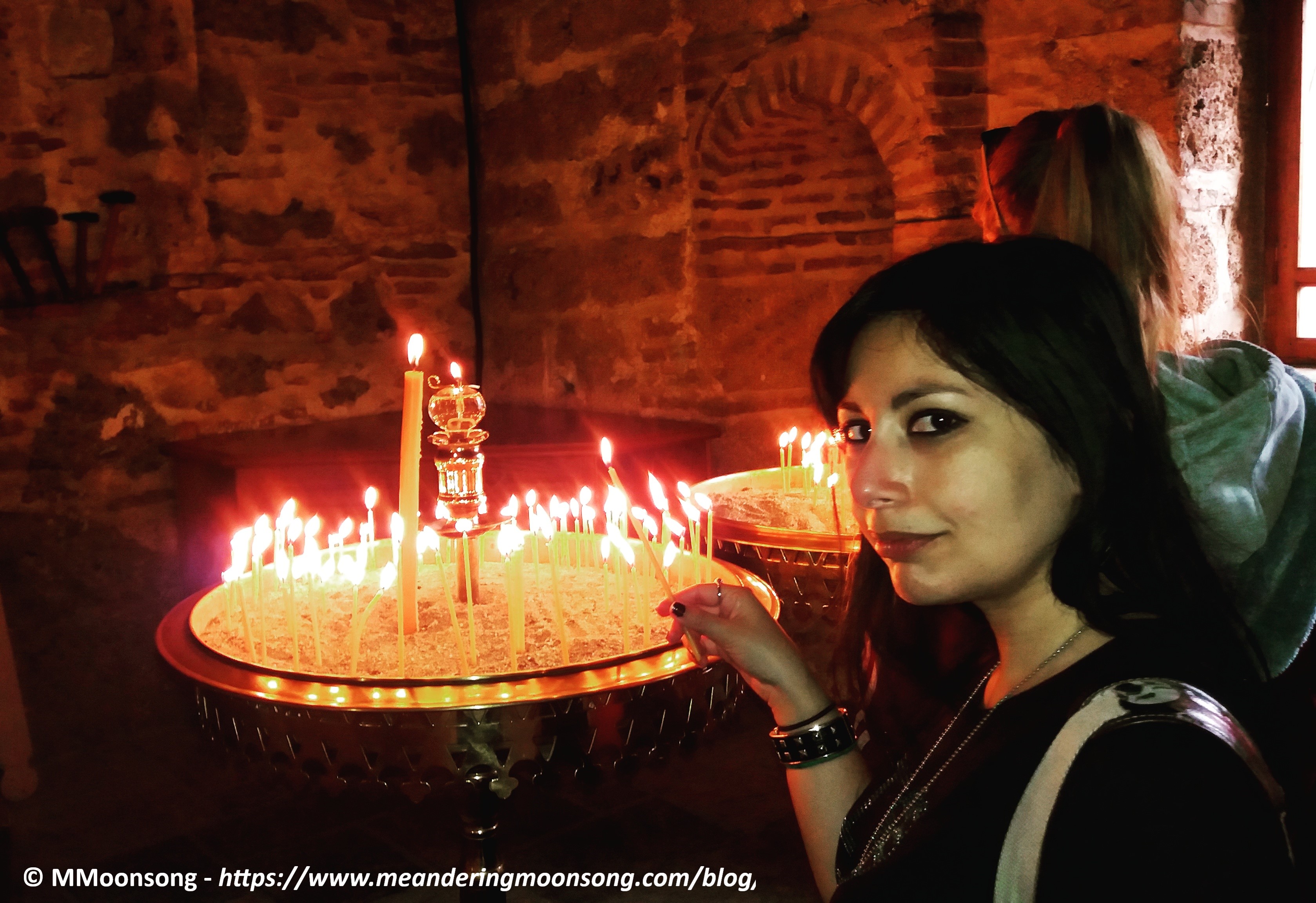
The scent of incense was amazing!

The last monastery I visited was that of Agia Triada, or the Monastery of the Holy Trinity, which is the hardest one to reach. One must in fact climb 140 uneven steps cut into the rock to reach it, however once you reach the top, the captivating view of the surroundings is totally worth it. Part of this monastery was also used as the setting for the final scenes of the James Bond movie ‘For Your Eyes Only’. Unfortunately, I did not have the time to visit the Monastery of Saint Stephen and the Monastery of Nikolaos Anapafsas, as we had a long drive ahead of us, and all the Monasteries close at around 5pm.

Visiting these monasteries was truly mystical, magical, extraordinary and impressive. The immensity of nature’s beauty, coupled with the history, and architecture of Meteora, embodies man’s everlasting desire for spiritual elevation. One of the most awe-inspiring places I’ve ever been to.

This article was originally published on The Sunday Times of Malta

Chasing Nessie – Cruising Loch Ness

No holiday to Scotland is complete without a visit to Loch Ness. Booking a boat trip on the Loch was, in fact, the first thing we did right after purchasing our plane tickets.

Being a lake and not a sea, Loch Ness is not susceptible to particularly rough water currents affected by wind, tides or weather conditions. Most such guided cruises operate throughout the year. I still went prepared for a chilly voyage however, bundled up in a good jacket, mufflers and gloves, since I was visiting Scotland during the month of September and could certainly imagine how nippy the air over such an extensive body of freshwater as the Loch, could be.

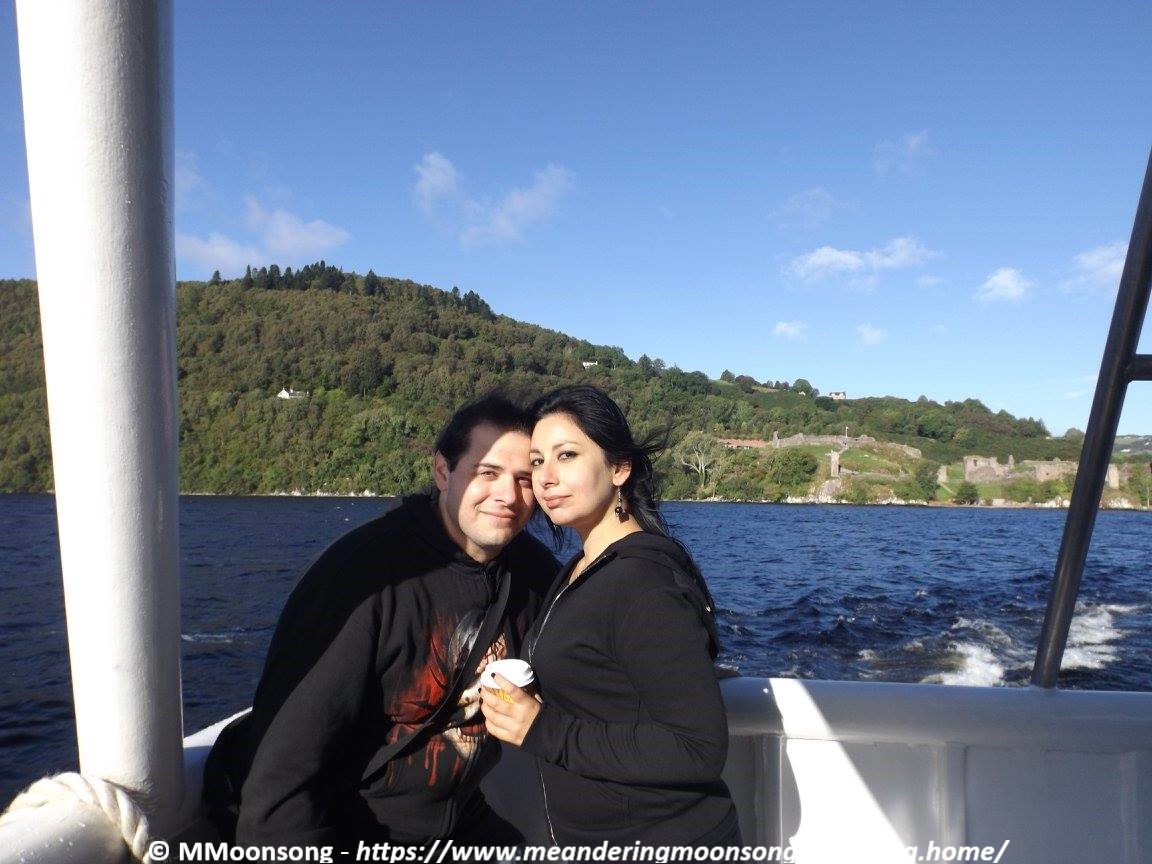
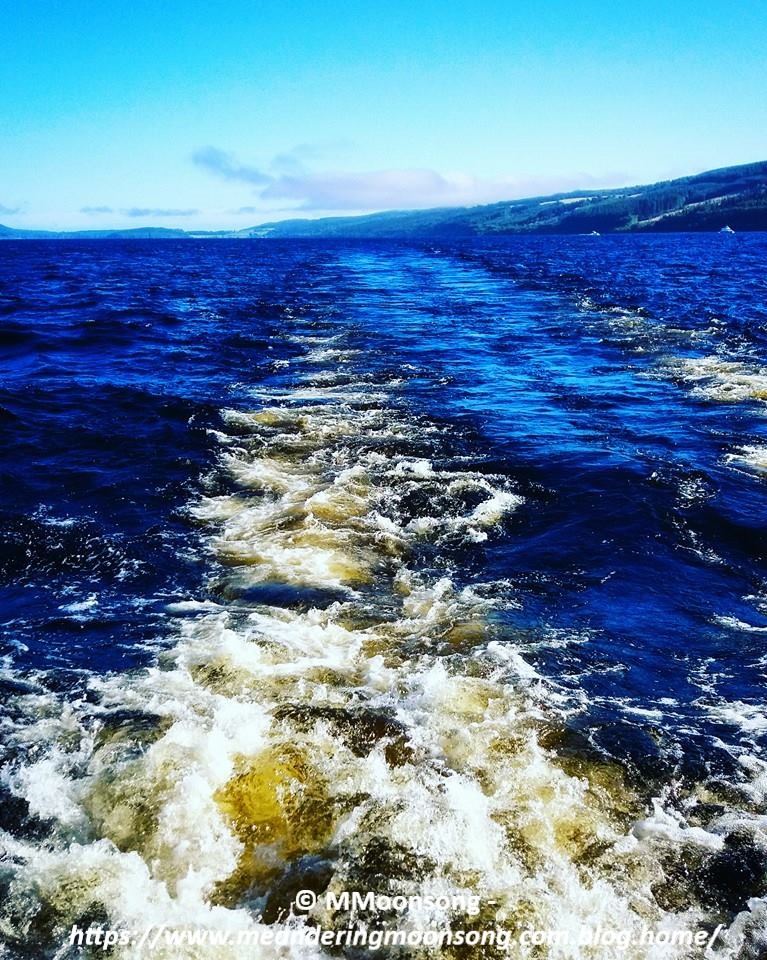
Cruising the Lock – So windy!!

My aim was definitely, first and foremost, to enjoy the experience without buying any souvenirs or geegaws. However, I admit that I totally succumbed to the urge when, after we had parked near Clansman Dock, where our boat was to cast off, we visited a large nearby hotel to use the facilities. The foyer of the hotel was tantalizingly arrayed in paraphernalia relating to the Loch and its legendary monster and I couldn’t help but buy some presents for my family as well as a small Nessie soft toy for myself.

After that, we decided we were definitely not going anywhere near Drumnadrochit, which is a small village at the foot of Glen Urquhart directly next to the dock and which thrives on tourists visiting its extensive Loch Ness Centre as well as the nearby Nessieland, which is a small theme park for children.

As I queued in front of our boat waiting to board with some other 20 passengers, the panoramic vista of the Loch in front of me was a pleasure to behold. I had, in fact, already actually experienced quite a stretch of the Loch, seeing that we had driven down the Scottish Highlands from the city of Inverness.

What many don’t know is that the legend of the monster of Loch Ness is indeed much older than these well-known sightings

However, peering at the large freshwater lake from a car, and actually floating on it on a small boat are two entirely different things. The small craft itself was impeccably furnished with a mini-bar and other indoor luxuries, including a number of panels sporting marine sonar units able to recognize objects underwater through sound-reflecting wave pulses, which could reveal any target. These, our guide told us, were usually used for underwater surveillance, but in this case they were there to show up Nessie, should he or she appear.

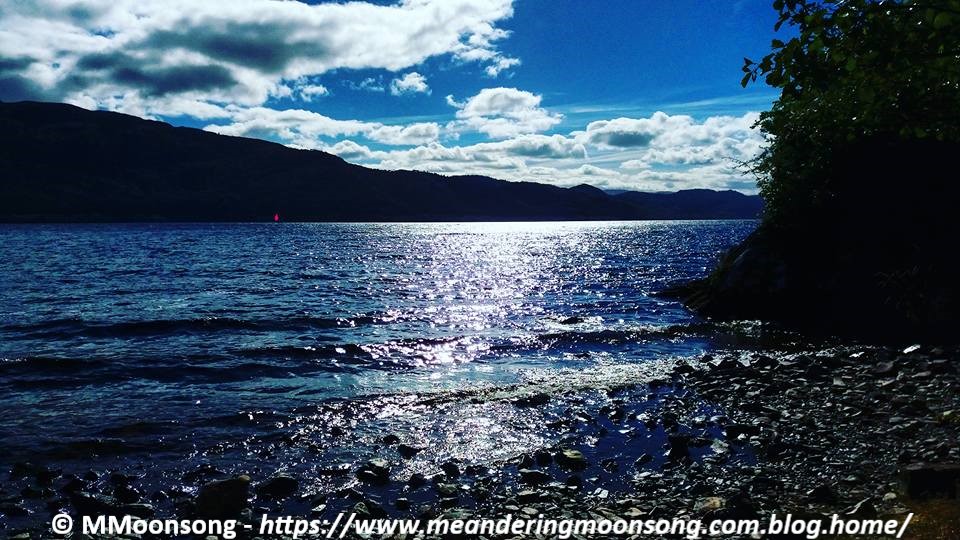
Magical Loch Ness!

Needless be said though, as the boat left the pier no one remained inside. Everyone went out on deck to admire the blue water of the lake, mirroring the perfect azure sky and unveiling a vista of virgin woods, mysterious lighthouses, lone farmsteads and tiny villages which dotted the banks of the freshwater lake, most notably the picturesque villages of Foyers and Dores.

As we looked on in amazement, we could see a number of people walking and hiking along the Loch, while small fishing boats and other cruising vessels bobbed on its calm surface.

Our guide informed us that Loch Ness was over 23 miles long, a mile wide and 700 feet at its deepest, making it the largest lake in Scotland by volume. It is, however, the second largest Loch by surface area, after Loch Lomond.

Loch Ness contains more fresh water than all the lakes of England and Wales combined and runs from Loch Dochfour to Fort Augustus. The waters of the loch flow along the River Ness through Inverness and into the North Sea. As I imbibed all this information, I looked around at the towering dome-shaped peak of Mealfurvonie, the loch’s highest mountain, which flanks the lake in majestic beauty, together with a multitude of breathtaking rolling green hills.

Cameras clicked madly as the guide proceeded to recount some of the many legends pertaining to Loch Ness. These of course, mostly surround the legendary sightings of Nessie, a large and ancient aquatic prehistoric creature which ostensibly inhabits the lake. The so-called ‘monster’ with its reputedly arched neck and benign expression, first captured popular interest in 1933, when a local couple spotted it gambolling in the water.

A few months later, a British surgeon came forward with a shadowy photograph which appeared to show an enormous sea-serpent-like creature swimming in the lake. This photograph was for decades believed by many to be ‘proof’ of Nessie’s existence and it was only in 1994 that, after a confession on his deathbed, one of the men involved revealed the plot to perpetrate this hoax.

What many don’t know is that the legend of the monster of Loch Ness is indeed much older than these well-known sightings as the creature was actually first mentioned in a 7th century biography of Saint Columba, an Irish missionary who spread the Christian faith in Scotland during the 6th century and who is said to have prevented Nessie from killing one of his monks through the power of prayer.

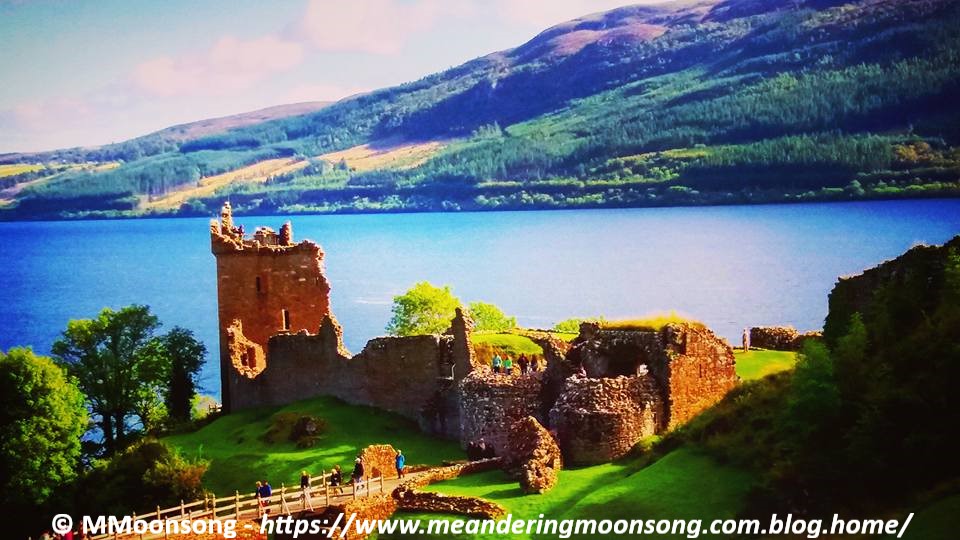
All tales of folklore flew directly out of my mind as our boat suddenly approached the beautifully preserved stunning medieval ruins of Urquhart Castle. Built on the banks of Loch Ness in the 13th century, the castle definitely dominates the landscape for miles around.

Urquhart Castle Ruins

The visit to this fortification was the climax of the tour. The castle is one of the largest found in the Scottish Highlands and is surrounded by a ditch and a drawbridge. Standing on a rocky promontory, I couldn’t help but feel as though I was entering a fairytale as I swiftly passed through the well-planned visitors’ centre to emerge into the fresh breeze coming from the lake. A full-sized working replica of a siege engine immediately caught my attention, after which I proceeded to cross the wooden drawbridge and start exploring the gatehouse and the great hall.

Climbing the five-storey Grant Tower was a treat and it was very interesting to read the many plaques provided with relevant historical information about the castle, its strategic location and the role it played during its 500 years as a medieval fortress.

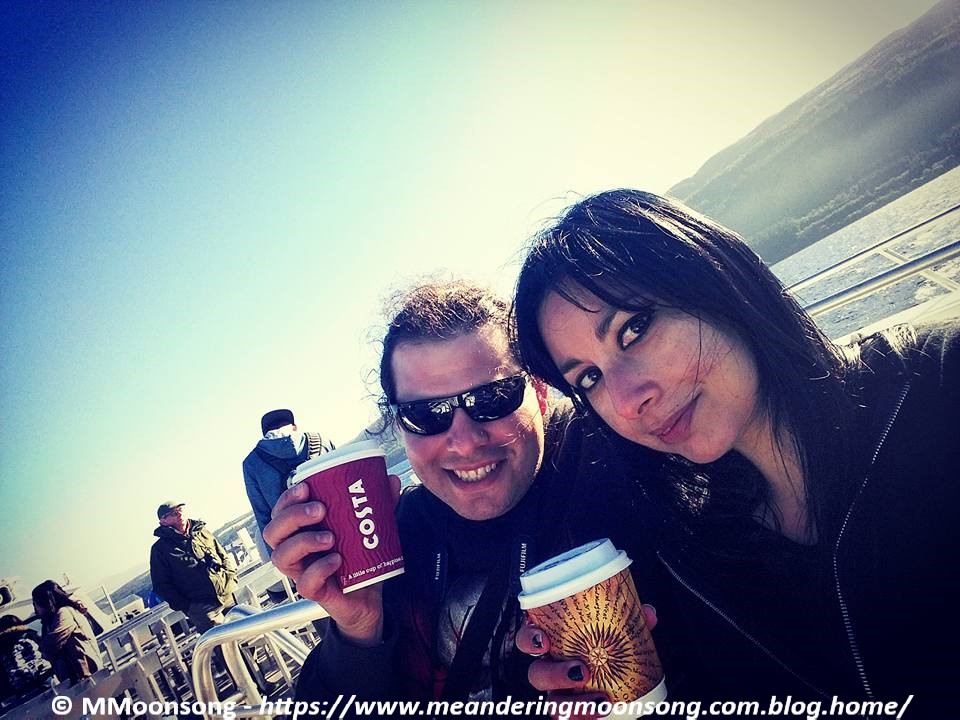
As I nursed a piping hot cup of coffee on the journey back along the Loch, I thought about the sonar equipment and very much doubted that a prehistoric animal could inhabit the lake without it being spotted in this day and age. Yet, I admit, as I looked down at the deep unfathomable water surrounding me, I still couldn’t help but try to once again to spot a shadowy presence or strange ripple marring the calm surface.

This article was originally published on The Sunday Times of Malta.

Holiday Targets – What are your Priorities?

Most people have a particular aim when going abroad on holiday. The term ‘holiday’ evokes thoughts of relaxation and sightseeing. However, although that is the general idea, when it comes to choosing a destination as a target where to spend one’s time, not to mention one’s money, other factors start to come into play.

Some individuals just want to get away from it all.

They want to leave behind the incessant, boring, almost ritualistic routine of everyday life. They need to take off their shackles and turn their backs on the myriad of hassling minutiae which, little by little, build up towards that indomitable mound of mood swings and nerves, more commonly known as stress. If you are in need of this kind of holiday, the destination is not really all that important, as long as you leave your daily routine. You don’t even need to research all that much, just take a look at the airline website of your choice, and off you go to the nearest beachy location.

Image source: Hawaiihideaways

Others have something more concrete in mind. Perhaps they’ve had enough of the sea and sun for a while, especially if they’re Maltese or Mediterranean, and prefer to spend their free time in some mountainous cold country. Or perhaps they love the sea, but would like to experience some different version of it, and so jet off to other climes, such as Tahiti, Hawaii, or the Seychelles.

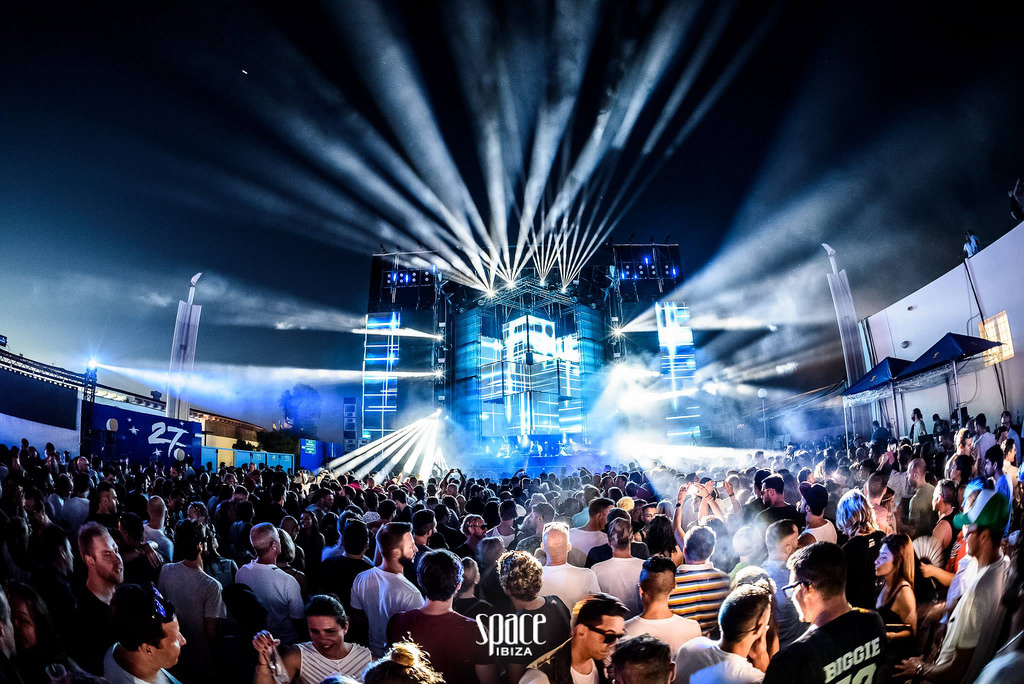
And what about those whose target is to party, party, and then party some more? These usually choose clubbing destinations like Ibiza, Aiya Napa in Cyprus, or Barcelona.

Image source: Dannykaiibiza

Then there are those who simply cannot spend a year without going to London, Paris or Milan at least once, especially during the sales period, in order for them to stock up on the latest fashion and revamp their wardrobe.

These, are all worthwhile intents for the holiday maker. However they are not exactly my cup of tea. Personally I feel that the most interesting and enlightening objective for undergoing any kind of voyage is what I call historical or cultural travelling. It’s not hard to deduce what this kind of expedition entails. If you’re planning a trip to Versailles, the Pyramids of Giza, Dublin’s Trinity College, the Vatican or Stonehenge, and if you’re interested in discovering a historical path which traces back the origins of humanity and its steps and evolution, then, like me, you are one of those culturally thirsty individuals who, apart from viewing the beauties of nature itself, are also fascinated by the greatest riddle ever put upon this planet – humanity. After all, isn’t traveling a means of growing and developing as individuals? And what could benefit us more than learning about different cultures, about our heritage as human beings, apart from observing the many creative ways one can express himself/herself, that is – art.


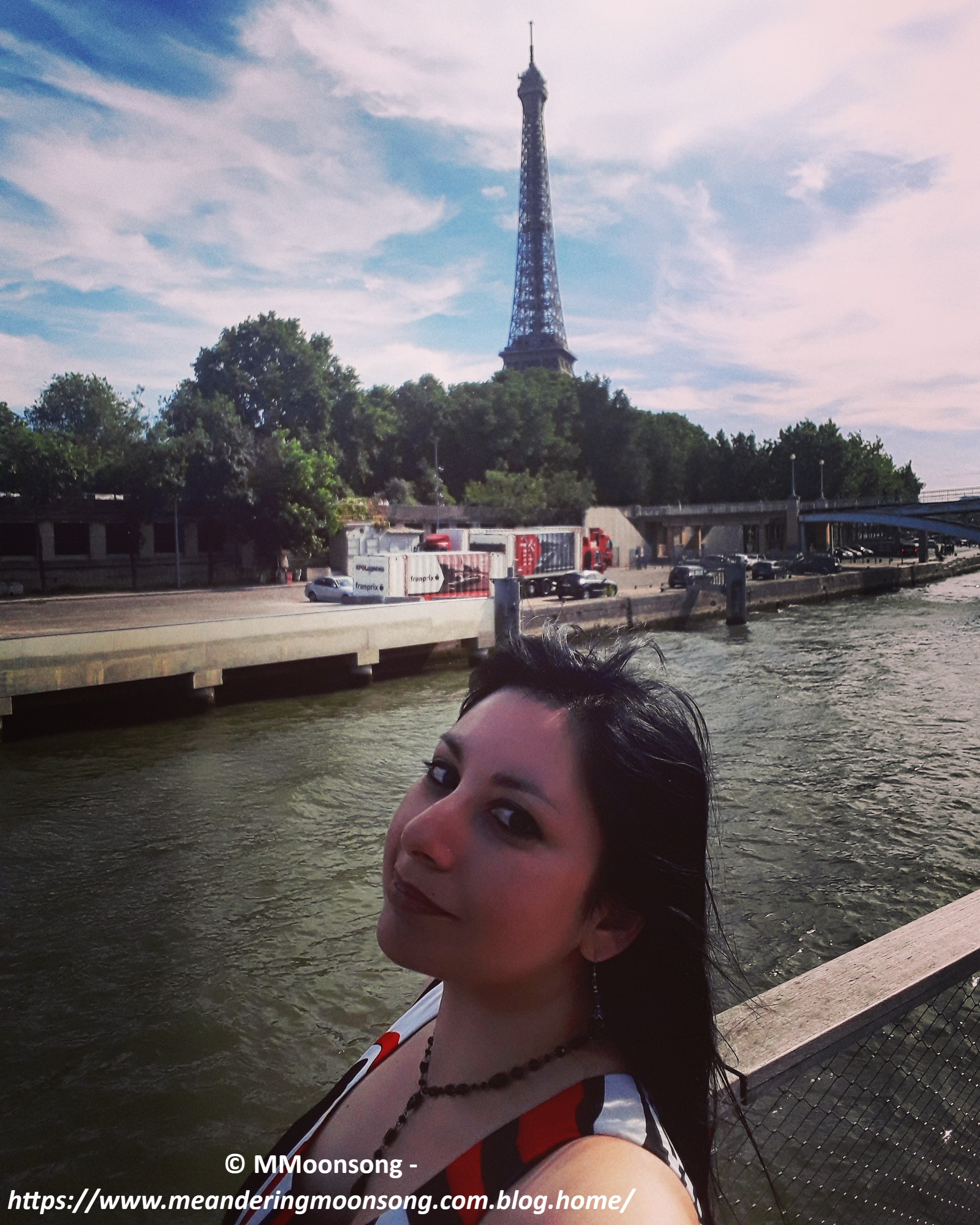
On the ferry towards the Eiffel Tower – Paris

Unlike those who merely pick any location for its tranquility, or its number of clubbing venues or shopping centers, historical/cultural travelers have to plan their vacations carefully. Not only do they go about this geographically, but also according to their given time frame. Generally, when a cultural traveler plans a trip, s/he firstly chooses an accommodation which puts him/her at the center of things; at the cultural center s/he is staying in. On the other hand, if a car is being rented, it is important for one’s main accommodation to be at an equidistant spot where the sought-after castles, cathedrals, and monuments are relatively close. When it comes to culturally-oriented holidays, the main target is to sightsee as many locations as possible during the time allocated.

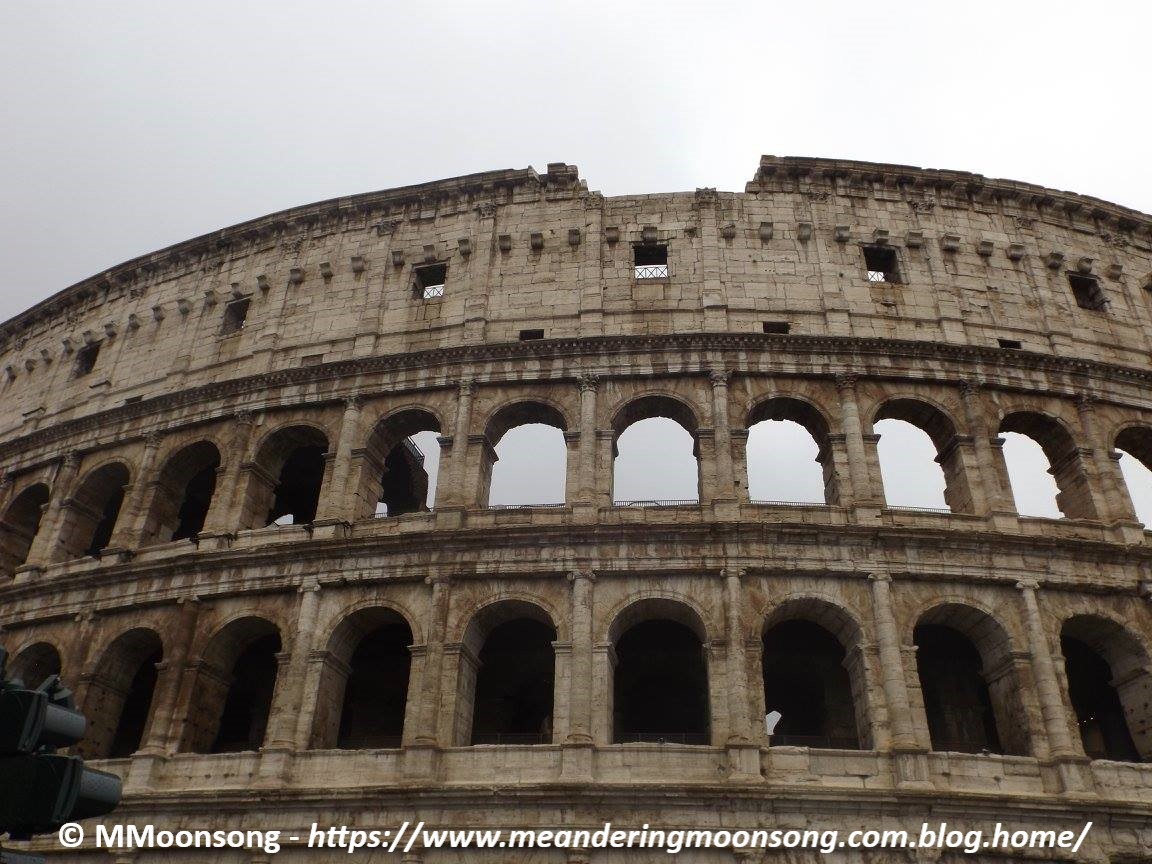
The Coliseum – Rome

When I’m about to travel to a country which is very rich in historical sites, I usually try to plan a day-by-day itinerary. Apart from taking into account the distance of the site from my initial starting point, I also check the opening times of the places I want to visit, as well as ticket prices. This is very important, since it would be terrible to drive for two hours in order to visit a particular castle on a Saturday, only to find that it’s normally closed during the weekends. Blessed be the internet, for its wisdom allows people such as myself to check such things beforehand.

It is true perhaps, that cultural travelling takes more time and energy to plan than any other kind, since one must consider more factors and issues, such as the specific protocols of certain venues. The rewards however, are well worth the effort. In the end, even if you are not a history or a culture-buff, and have, for example, travelled to Rome mainly for the shopping, I bet you would still not pass by a chance to visit the Coliseum. After all, some opportunities only present themselves once, and certain wonders are well and truly not to be missed.

German Sausages and Sauerkraut!

German cuisine, like any other European cuisine, is very tasty and has evolved though hundreds of years of social upheaval, political turmoil and economic/trading fluctuations. It varies from region to region, yet on the other hand, shares a number of famous recipes with a number of neighboring countries, such as Austria and the Netherlands.

The first time I journeyed to Germany, I was sorry not to have time to sample any local food, since I was there to attend a three-day heavy metal festival (Wacken Open-air Festival) and to be honest I was more worried about pitching my tent and not getting all my stuff wet in the mud, rather than actually exploring the country.

Fortunately for me, these last few years I had the opportunity to visit Germany twice, both for leisure purposes, and I finally had the time and inclination to sample some of its most notorious food.

I was staying at a self-catering apartment during both of my visits to Germany, so also had the opportunity to cook while I was there. My visit to a German supermarket was a revelation – sausages, sausages, and more sausages! So many brands, sizes, colors and varieties! I was seriously impressed!

So many varieties!

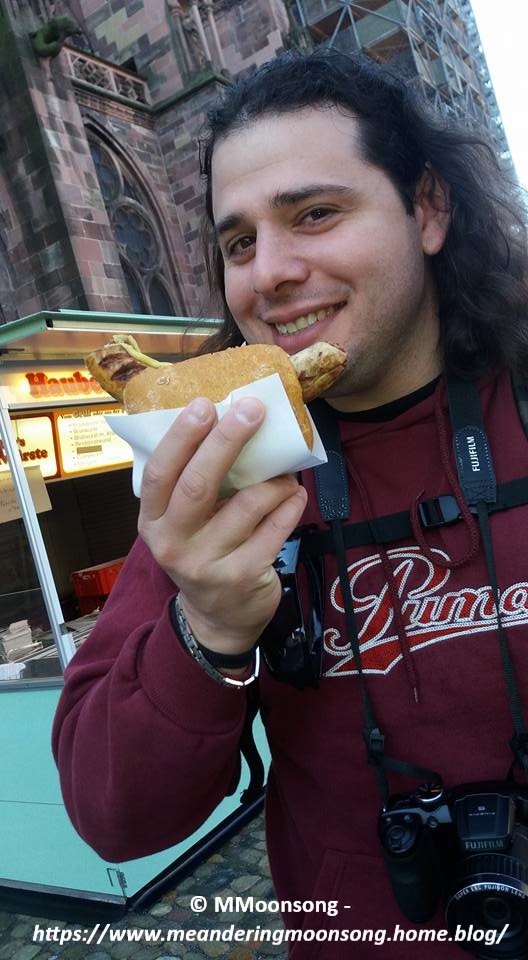
There are too many German sausages to mention them all – the most well-known is perhaps the Bratwurst, which is a sausage made from minced pork and beef, usually grilled and served with sweet mustard in a breadroll. My boyfriend went crazy for itand bought three while we were roaming around a German Christmas market, even though it was still 9am!

Pigging Out!

The Frankfurter (bockwurst) is another well-known German sausage. As the name suggests, it originated in Frankfurt and is made with veal and pork flavored with pepper and paprika. One must also not fail to mention the really tasty Nürnberger Rostbratwurst, which is usually flavored with marjoram and served with sauerkraut and horseradish. As is the Knackwurst, which is made from beef and flavored with garlic.

By the way, yes ‘wurst‘ means ‘sausage’ in German. In case you hadn’t noticed!

Another staple of German cuisine, is the much-vaunted Sauerkraut.

I’m going to write it up-front – I DO NOT LIKE SAUERKRAUT. I tasted it twice while I was in Germany, and after that I promised myself, I’d never eat it again. Be it as it may, that is my personal opinion, and most people seem to really like it, so perhaps I’m a minority in this case.

The Sauerkraut is in the middle!

Although sauerkraut is synonym to Germany and has been a staple in the German diet since the 1600s, it was in fact ‘invented’ by the Chinese, who first had the idea to ferment cabbages in their own juices, which is the basic idea behind this dish. Its popularity as a side dish (most restaurants in Germany insert sauerkraut instead of the usual salad as a side-plate) not to mention its many health properties make it a ‘superfood’. It is not only a low-calorie and low-fat food, but also chock-full with vitamins.

Sauerkraut has a long shelf-life and a distinct sour flavor. No wonder really – since as previously mentioned it consists of fermented cabbage. There are many many varieties of sauerkraut. Some pickle carrots together with the shredded cabbage, others include apples or cranberries for additional flavor, or else beets for color. Some serve it hot and some serve it cold. There are those who add seeds or berries, others use it in soups or even pie fillings.

If you’re interested in trying to cook it, here‘s one of the many good recipes I found online while researching this article.

The Punkva Caves and the Macocha Abyss

The subterranean Punkva River, being almost 30 kilometers in length, is the longest underground river in the Czech Republic. It is thanks to the erosion, fluctuation and twisting flows of its many tributaries that an extensive system of underground passages, domes and abysses was formed underneath what is known as the Moravian Karst, a protected nature reserve on the eastern part of the Czech Republic.

This beautiful region is home to a number of unique geological features, not least of which are a number of cave systems underlying the lush green woodlands and forests. The most famous of these cave networks are the Punkva Caves located to the north of the city of Brno, which showcase one of the natural wonders of the Czech Republic – the Macocha Gorge.

Fortunately, we had researched our destination well before actually visiting the caves and so realized early on that they could only be accessed through a guided tour. Since tours of the caves only take place at allocated times, not to mention the fact that the place is a famous tourist attraction, it is important for anyone interested in visiting to book the tour beforehand.

We bought our tickets online, yet still had to visit the Visitor’s Center to exchange our e-mail with the actual tickets. While there, we were also told that if we wanted to take photographs in the caves, we had to purchase a colored sticker for a small fee and attach it to our clothes. This may seem strange, but it is common procedure in certain countries.

Armed with tickets, stickers, cameras and expectations, we boarded the small tram from the Visitor’s Center to the entrance of the Punkva Caves. One can, of course, opt to walk the two-kilometer woodland trail instead of using the tram. Once we arrived in front of the entrance, I abruptly realized that it would be much colder underground, and that the light clothes I was wearing, suitable for a stroll in the sun, were definitely not enough for the freezing caves.

There was only the official merchandise store nearby, so I hurried over and bought a bright red ‘Punkva Caves’ sweater for the occasion. It did keep me warm during the one-hour tour and was also a very nice souvenir. At least I had the good sense to wear comfortable sneakers.

Our group was made of around 30 people. I was glad to see that there were even small children and senior citizens – a clear indication that there were no dangerous, unsecured sheer drops or rough terrain to climb ahead. After all, one does not need to be a miner to explore the Great Underground! The caves are, in fact, very safe for visitors, being equipped with plenty of lighting and having level floors and stairs. Unfortunately, it was at this point that we realised that the tour was in Czech and that there were no tours in English available. However, I had previously found and downloaded a free mobile application with a tour book of the caves on my mobile phone and I found that very helpful.

The tour itself is actually divided in two parts. The first part is on foot, while the second consists of a very atmospheric boat-ride on the subterranean Punkva River.

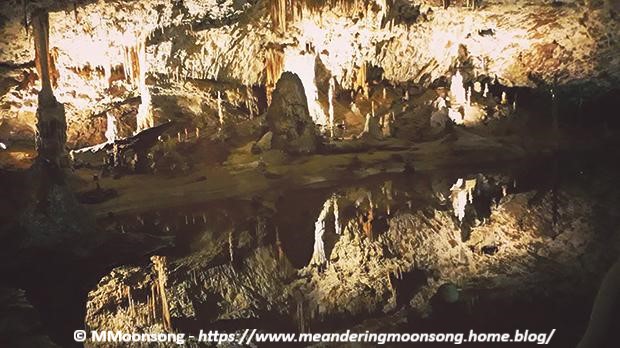
Mirror Lake

As we entered the caves, a four-metre-long stalactite welcomed us in the Front Dome, a large, hall-like space filled with myriad stalactites and stalagmites. Walking on, I was literally mesmerised as I encountered the Mirror Lake, whose waters are so clear as to leave one in total awe. Two worlds seemed to meet, divided by the water’s surface, as the crystalline stalactites met their counterpart through the underground lake’s reflection.

Steep steps took us up a 10-metre shaft-like tunnel leading to what is known as the Dome of Destruction, in reference to a cave collapse which had occurred sometime after the dome’s excavation. Following a corridor of naturally shaped water-columns, we were finally behind two impressive rock formations known as ‘The Angel’ and ‘The Curtain’. Looking up at the majestic play of water on rock, one cannot help but feel a sense of greatness at the power and wonder of nature.

The ‘Angel’ and the ‘Curtain’ formations

Having covered almost 810 meters of the 1,250-meter tour, which is the longest underground trail open to the public in the Czech Republic – the best was yet to come. We proceeded in single file through a narrow tunnel passage opening up to the inspiring Macocha Gorge, also known as the Macocha Abyss.

This 138.7-metre deep sinkhole is the deepest of its kind in central Europe and can be viewed from the bottom up from the Punkva Caves. One can also take a cable car from the surface to the top to admire some unforgettable views.

The Macocha Gorge

Being in a cave while looking upwards at the sun through a gorge and seeing the green trees of the forest sparkle and being reflected in the two small lakes at the bottom of the abyss is truly a magical experience. Once our eyes adjusted to going from almost total darkness to blinding light in only a few minutes, taking selfies and almost full blown-out photoshoots was inescapable.

The lakes at the bottom of the Abyss

At this point, our tour guide bid us goodbye as she led us to the second part of the tour. A small underground dock dotted with some tiny boats awaited us. Our group split up further, since the minute boats could only accommodate eight people.

Our second tour guide, an old, crusty man steering the wooden boat with a paddle, again spoke only Czech. In halting heavily accented English, he warned us sternly that photographs were not permitted on the boat, as this could be dangerous since we would be passing through very narrow channels, and any excessive movement could cause the boat to capsize. He also warned tall people to keep their heads and hands down, since some of the tunnels were quite low and they could easily hit their head on a stalactite.

I honestly thought he was joking, but he was dead serious and with good reason. The boat buckled alarmingly as we cast off and slowly meandered through the winding river.

As we left the small dock, the walls started to close in, together with the darkness and the cold. At that point, I was grateful I did not suffer from claustrophobia. Later I learned that the water of the river has a depth of approximately 50 metres, but at the time, feeling the weight of the earth on my head, twisting this way and that trying not to get hit in the head by a stalactite, the cold dark surface of the river seemed to hide something more sinister. The old man steering the boat reminded me of Charon ferrying the souls of the newly deceased across the River Styx, surrounded by seemingly fragile dripstones and colourful rock formations hanging from the cave’s ceiling.

Floating between the darkness of the caves and the darkness of the waters below through a succession of narrow tunnels with low ceilings and small fairytale pools felt like a breathtaking dream. In the end however, we had to wake up, as the boat floated up the river to the Punkva Spring above ground. This is where the tour ended.

Taking back the tram to the Visitor’s Center once more, we were pleased to note that the smaller Katerinska Caves were only a 10-minute walk away, so we were overjoyed to visit them as well, before stopping at one of the charming restaurants nearby for lunch. An anti-climax, but a very needful one after such a memorable adventure.

This article was originally published on The Sunday Times of Malta

The Largest Castle in Sicily!

Castles – be they medieval, Norman, military fortresses, well-kept luxurious palaces, or ruined keeps – I’m in love with them all! No matter which country I travel to, I am never tired of exploring and discovering these architectural recipients of historical happenings! By the way, should you like to read some of my articles on a number of castles I’ve visited, please don’t hesitate to visit http://castles.today/ which is a Polish website I contribute to regularly (take a look at my uptake on Welsh, Scottish, Irish and Maltese historical castles amongst others).

Obviously, taking my interest in castles into account, I couldn’t NOT visit Sicily, one of my favorite vacation-spots, without also exploring a number of castles and palaces there.

There are many beautiful Castles in Sicily, such as the Castle of Venere in Erice (been there twice) or the Castle of Castelmola (blogposts on these places will be forthcoming soon-ish) however this time round, during my last trip to Sicily I visited a Castle which is less well known, though no less amazing.

This particular historical gem, is in fact the largest castle to be found on this Mediterranean island, that is, the Castle and Citadel of Milazzo. Found in the small town of Milazzo, in the southern part of Sicily, this romantic architectural treasure is resplendently obvious as it is situated on a hill, majestically lording it over the nearby countryside and port.

When we arrived, the local old guy selling tickets immediately befriended us and launched into the history of the castle, boasting about it as though it was his own home. He told us how the site itself had first been fortified in the Neolithic era, then manned by the Greeks, and later conquered and enlarged by the Normans, the Romans, and later the Aragonese (Spanish). Actually, it’s me the guy latched on to, since my boyfriend does not understand Italian, however I obviously couldn’t stand there bantering all day, so we finally managed to excused ourselves and went into the castle itself.

And it was HUGE. First of all, let me be clear, when I say ‘castle’, I mean the whole citadel of course, that is the castle, grounds, and surrounding buildings. The grounds are quite big, though overgrown with local plants and wild flowers, which was part of their charm. There was an old but well kept church sporting some crumbling frescoes, as well as a number of buildings hosting a museum, a children’s area, and a number of rooms dedicated to the Second World War.

The real wonder of the site however were the medieval ramparts, where one could delightfully gaze at the spectacular panorama of town, port, sea, and countryside simultaneously. 360 degrees of paradise!

Yes please!

If you visit Sicily in the near future, make sure to save some hours for Milazzo Castle. You won’t regret it!

🙂

What to wear at the Airport?

Your passport is in your handbag, you remembered to pack your moisturiser, your favorite scarf and your current read, and you’re ready to go… but are you?

Everyone looks forward to flying abroad for a holiday, away from the worries and cares of everyday life. There are also those who travel a lot for work purposes, and for whom catching a plane is as common-place as catching a bus. Be it work or pleasure, a two-week holiday or a two-day business trip, most people tend to plan and take great care when packing. We write lists and double-check everything in order to make sure not to leave anything important behind. This is all well and good, yet the time comes when all is set, the hour is finally upon you to drive to the airport… and we still have no idea what to wear for the journey!

Even though the end-game of travel is of course to arrive at one’s destination, the flight itself is important too, especially if it’s going to be a long one.

Most flights (at least in Europe) take approximately between two and five hours. Of course, this depends on the destination, and if you have an interconnecting flight or a delayed one, it takes even longer. You’ll be actively walking, carrying your heavy handbag, and lugging your even heavier and larger luggage around for at least half a day. Also, any responsible traveler makes sure to be at the airport at least an hour and a half before their flight, due to check-in and security.

Image source: ManchesterAirport

This is why it’s important for one’s travelling attire to be comfortable and practical. On the other hand, the clothes you’re wearing on your flight will most probably be those you’ll be wearing on the first day of your holiday, which is perhaps the reason why most people seem to sometimes prefer flashy fashion to actually being comfortable. Yes, it’s nice to be well turned up and pretty during your first day as a tourist in a new place. You’re obviously excited and looking forward to it. However it’s much more important to feel comfortable, in order to truly enjoy the experience to the max. Certain airlines even give points, an upgraded service, or some kind of bonus to those who are well-turned out (not many airlines in Europe do this). Some people like to compromise, however there are times when you must decide what’s more important for you – bonus points for being smart, or a comfortable flight (especially if it’s a long one from Europe to Asia for example).

Here are a few tips from an incorrigible globetrotter:

Make sure you have comfortable shoes! – This, I think, is the ‘One tip to rule them all’. I love shoes and I love heels, but unless you have absolutely no luggage (or a four-armed boyfriend acting as your personal porter), and won’t be crossing a number of busy airport aisles and check-ins, you really don’t need six-inchers at this point. Flat shoes or ballerinas are the best, clogs are fine, and shoes with short thick heels are passable, though still tiring in the long run. If you opt to wear boots, make sure your socks have no holes in them, since you might be asked to take them off at the check-in.

Image source: Health.harvard

Go for jeans or trousers – If you’re travelling for a work conference, to which you’ll be going directly from the airport, it’s understandable that you may want to look chic and professional when wearing your work clothes or business suit. This, however, does not mean that you can’t be practical. Tights have a habit of mysteriously ripping and getting seams, projecting an untidy or slatternly look. This is definitely not something you’d want during an important meeting. It’s therefore better to opt for trousers, a shirt, a smart blazer, and be done with it. Better safe than sorry!

Image source: Starstyle

Wear layers, even in summer â€“ The air is colder in high altitudes. True, you’ll be on a plane, but the chilly air will still get to you, especially if you’re travelling at night. On the other hand, during a long flight, you might get stuffy and feel cooped up and squashed between so many people, unable to move around. It very much depends on the individual, and you could feel cold one minute and uncomfortably warm the next. It’s therefore better to be prepared.

Image source: Trendspotter

Follow airline regulations – Ensure that there are no liquids, sharp objects or metallic accessories in your hand luggage if possible. That is of course, unless you’re into being taken aside and inspected by security personnel while the huffing and puffing people behind you grumble and throw you dirty looks!

A version of this article, written by yours truly, was originally published on EVE magazine.

A Sea Adventure – The Inner Hebrides Archipelago in Scotland!

As the ferry broke away from the mainland and onto the cold Atlantic, I clapped on my fluffy ear-muffs and took a deep breath of the freezing pure air. I was crossing the Atlantic Ocean from the seaside town of Oban, on the West Coast of Scotland, towards the Isle of Mull, one of the largest islands within the archipelago known as the Inner Hebrides.

The port of Oban

My camera clicked madly as the crossing took us through a large number of small islands, both habited and uninhibited, which form part of this archipelago. Random ruined castles, modern lighthouses, tiny hamlets, and small forests standing proudly amidst the roar of the surf, filled my vision.

The one-day trip to visit three of the most famous islands within the Inner Hebrides had not been a spur of the moment decision. We had in fact, booked and paid for it online weeks before actually setting foot on Scotland, in order to make sure that the date was solidly set beforehand. We were lucky in that we managed to visit during the last week of September, since passage for tourists to two out of the three islands we were visiting, is never possible during winter-time. Bookings were accepted up to the beginning of October, subject to weather conditions of course.

Oban – On the West coast of Scotland

Leaving our rented car parked snugly at Oban, we collected our combo-tickets from the ticket office, and set off towards the Ferry Terminal Railway Peer. There are a number of cruise companies which offer combo tickets at not much more than £45 per person. Such tickets usually include all the ferries to and from the specific islands one wishes to visit, as well as any possible coaches or busses, and the relevant guides. In our case, we opted to visit the Islands of Mull, Iona and Staffa.

The comfortable ferry, which sported a wine-bar and cafeteria, made port at Craignure on Mull, the second largest island in the Inner Hebrides after the Isle of Skye. We were greeted by our coach-driver and guide, who was herself a native of Mull, and who proceeded to drive us around the picturesque island for around an hour, recounting anecdotes about the various ruins, legends, and even personages who had lived there. I must admit that without her lilting cheerful voice narrating so many colourful stories, I might have started to feel a little cramped at this point. This was because we had no time to stop anywhere or to walk around and visit Mull properly, since we had to travel directly to Fionnphort on the other side of the island, in order to catch yet another ferry to the Isle of Iona. The day was cloudy, windy and quite cold, and the gentle Scottish rain pattered on the windows of the coach, making it impossible for us to take any photos along the way. We could still admire the isle itself though. A lush picturesque symphony of moorland, mountain scenery and coastal views, dotted with small cottages and many many sheep. Our guide informed us that on Mull there were in fact three sheep for every human being.

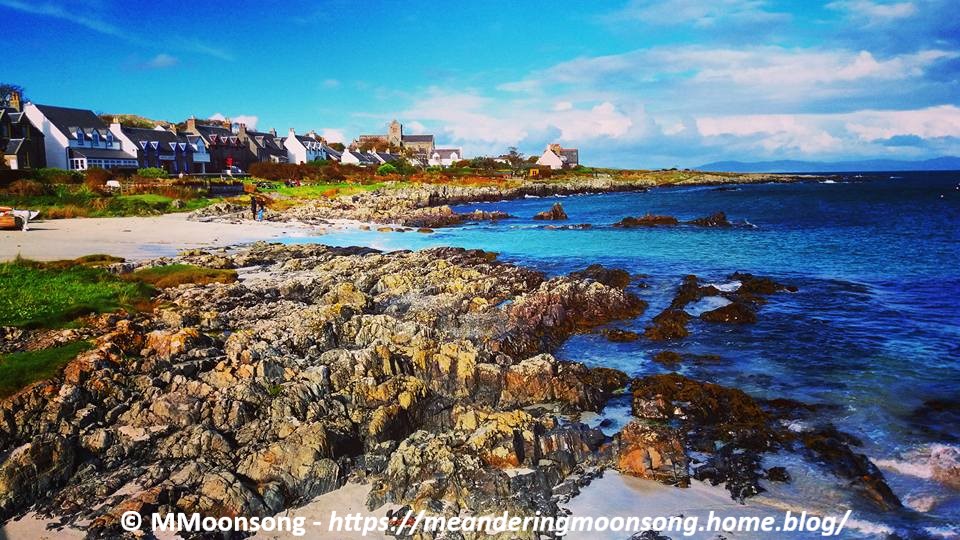
The Isle of Iona

The ferry we boarded at Fionnphort was markedly smaller than the first one. There was a middle space reserved for one or two small cars, and some railings for pedestrians to perch on at the sides. The presence of the wind was much more pronounced on such a small craft. A couple of dogs yapped steadily as we bobbed up and down towards the smaller, yet more well-known island of Iona. Renowned for its natural beauty, Iona is famous for its Abbey, which is the one of the most elaborate and best-preserved ecclesiastical building surviving from the Middle Ages. The Abbey is of particular historical and cultural interest in that it was here that Saint Columba, who brought Christianity to Scotland from Ireland, settled and built his first monastery. It is also the place of origin of the wondrous Book of Kells, an illuminated manuscript which is today kept at Trinity College in Dublin.

Iona Abbey

Personally, I am not much of a religious pilgrim, yet history, art and architecture fascinate me, which is why the Benedictine Abbey of Iona attracted me so much. The medieval arches, romantic columns, and amazingly crafted stained glass windows were the perfect complement for the natural landscape of the Hebrides. Shaggy highland cows with long horns and a peaceful expression looked at me quizzically while I breathed in the salty air and strolled along the rugged beach directly behind the Abbey. The chill actually got to me at this point and I was very happy to purchase a pair of white cotton ear-muffs from the Abbey’s souvenir shop itself. I must have been quite a sight. Perhaps that’s why the cows were staring at me.

After eating some lunch at one of the handful of small pubs on Iona, we prepared for the highlight of the day – the trip to the mythological tiny island of Staffa, and the visit to the legendary Fingal’s Cave. Being part of a Nature Reserve, and managed by the National Trust for Scotland, Fingal’s Cave is a unique natural monument formed entirely of hexagonally jointed basalt columns, similar to the Giant’s Causeway in Ireland, which I had visited a couple of years back.

We boarded an even SMALLER boat (our third one), with a capacity of not more than 25 people. The wind had really picked up at this point, and I started to get a tiny bit worried. What’s more, before starting the craft, the captain said that he had to inform us that the crossing would not be an easy one, and that in fact some people from an earlier cruise had been pretty sick. Going to the Isle of Staffa and back was going to take us approximately an hour and a half of sailing. He asked us if there was anyone who preferred to remain on land and be reimbursed the trip, since he would not be taking responsibility for any accidents. Five people got off the boat. I was scared to death. My boyfriend was looking at me breathlessly, excited by the prospect of such an adventure. I gritted my teeth and sat down. How bad could it get? Right?

All went well at first. The wind was behind us, so the boat crested the waves blithely and I got used to the rock and roll motion of the deck. It was fun actually. The waves sprayed all over us as we tried to keep steady enough to use our cameras. There was so much to take in! The Inner Hebrides are comprised of 35 inhabited islands and 44 uninhabited ones, and Staffa is one of the latter. As we drank in the blueness of the sea and sky around us, caught between them like flies in amber, our captain told us of the facts and legends surrounding Fingal’s Cave. The 72 feet tall and 270 feet deep cave itself was known to to the ancient Irish and Scottish Celtic people as Uamh-Binn, meaning ‘the Cave of Melody’, due to the eerie sounds which emanate from its arching cathedral-like features when the wind and the echo of the waves sound just-so. Legend has it that the Irish warrior and leader Fionn mac Cumhaill, who was as big as a giant, built a bridge here between the Isle of Staffa and the Giant’s Causeway in Ireland, in order for him to reach his nemesis and rival Benandonner. The legend which connects the two structures is geologically correct in fact, as both of them were created by the same ancient lava flow, which may have, at one time, formed a ‘bridge’. We are talking of around 60 million years ago here, so there were no human beings around to see it at the time.

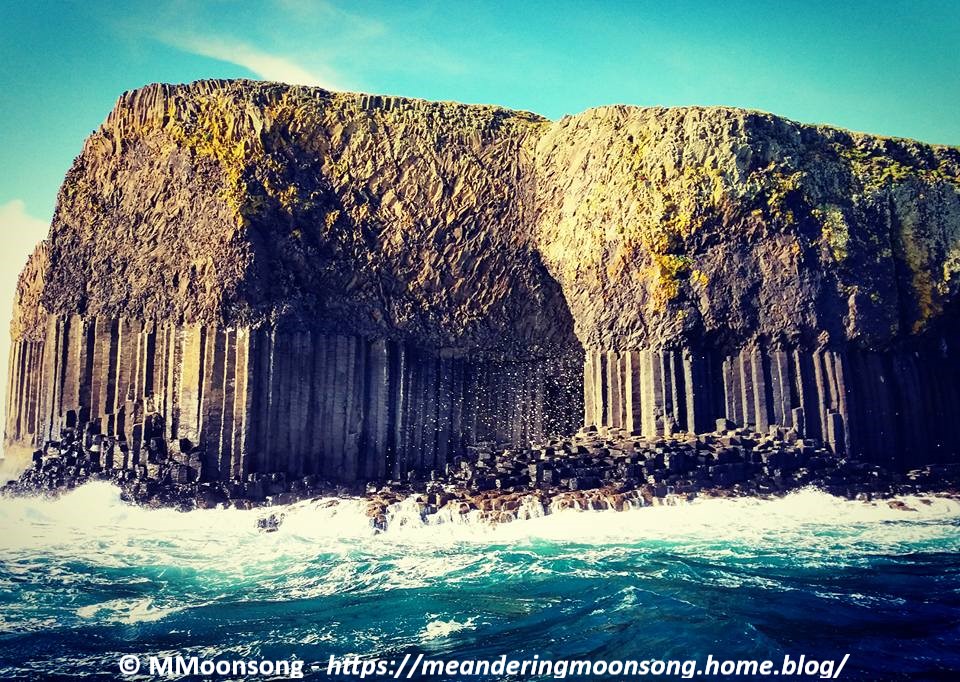
Fingal’s Cave on the Isle of Staffa
The fractured columns on the Isle of Staffa

As we got closer and closer to the islet and to the cave itself, anything seemed possible. The cave has a large arched entrance and is filled by the ocean. When I had booked our cruise, we had been promised that we could actually land on the island and walk the short distance to the cave, where a row of fractured columns form a walkway just above water level, permitting exploration on foot. Unfortunately, the captain at this point informed us that the sea was becoming too rough, and that landing was dangerous. So, we had to be content with looking closely at the island from the sea. We didn’t even enter the mouth of the cave. I admit that I was, and still am, bitterly disappointed about this. Scottish weather is fickle and changeable however, especially at sea, so there was nothing to be done. It was after all, the end of September. I would strongly recommend anyone who would like to visit the Hebrides to go during high summer, when the weather is calmer.

Seeing Fingal’s Cave, even from afar, was a great experience. No wonder the famed composer Felix Mendelssohn was inspired to create ‘The Hebrides Overture’, also known as ‘Fingal’s Cave’, after visiting in 1829! Famous landscape painter J.M.W Turner painted it, William Wordsworth, John Keats, Lord Tennyson and Queen Victoria all expressed amazement after visiting it, and Pink Floyd even named one of their earliest unreleased songs after the cave.

Coming back, all the feelings of awe and amazement totally fled. The sea had gotten even rougher, and this time, the boat was going against the wind. I don’t usually suffer from sea-sickness, but that trip was truly a nightmare. I sat down in a corner, held on for dear life, and ended up hugging a fire hydrant in an effort not to fall or roll off, as the now huge waves crashed against the tiny boat and all the other passengers gasped in terror, trying not to cry out. I admit, those were the longest 45 minutes of my life. Cutting a long story short, after our arrival at the Isle of Mull, we still had to suffer through an hour-long trip in the coach, and another 45 minutes on the ferry from Fionnphort back to Oban where we had left the car.

It wasn’t an easy journey to say the least, but the enchantment of Fingal’s Cave, the charm of the Inner Hebrides, and the depth of emotion I felt there, will be truly remembered forever. As will, unfortunately, the hellish boat-ride amidst the stormy Atlantic Ocean!

A slightly different version of this article was originally published on The Sunday Times of Malta.